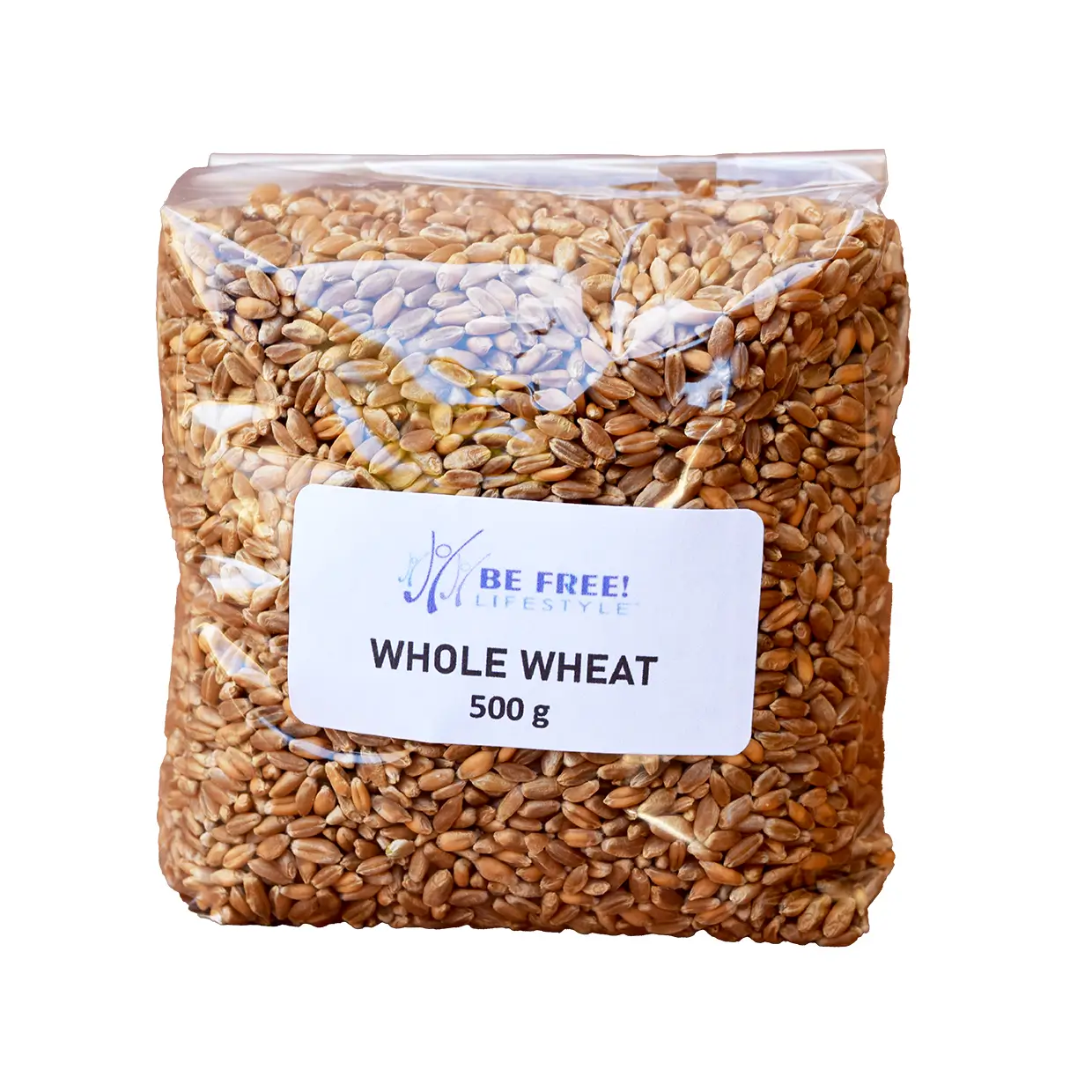
Whole wheat grain, in its unprocessed form, offers several health benefits due to its nutrient density and high fiber content. Here are the key advantages of consuming whole wheat grain:
1. *Rich in Dietary Fiber*: Whole wheat grain is an excellent source of dietary fiber, including both soluble and insoluble fiber. Fiber supports digestive health by promoting regular bowel movements, preventing constipation, and supporting a healthy gut microbiome.
2. *Nutrient-Dense*: Whole wheat grain retains all parts of the grain kernel (bran, germ, and endosperm), preserving essential nutrients such as vitamins (B vitamins like folate, niacin, thiamine, and riboflavin), minerals (iron, magnesium, phosphorus, zinc), and antioxidants (like phenolic acids and flavonoids).
3. *Heart Health*: The fiber, antioxidants, and phytochemicals in whole wheat grain contribute to heart health by lowering cholesterol levels, reducing blood pressure, and improving overall cardiovascular function. Whole grains have been associated with a reduced risk of heart disease.
4. *Weight Management*: The fiber content in whole wheat grain helps promote satiety, reducing overall calorie intake and supporting weight management efforts. Whole grains have been linked to a lower risk of obesity.
5. *Blood Sugar Control*: Whole wheat grain has a lower glycemic index compared to refined grains, meaning it causes a slower and more gradual increase in blood sugar levels. This can help regulate blood sugar levels and improve insulin sensitivity, making it beneficial for individuals with diabetes or those at risk.
6. *Supports Bone Health*: Whole wheat grain contains minerals such as magnesium, phosphorus, and zinc, which are important for maintaining strong bones and teeth.
7. *Reduces Chronic Disease Risk*: Whole grains, including whole wheat, have been associated with a lower risk of chronic diseases such as type 2 diabetes, certain cancers (like colorectal cancer), and cardiovascular diseases.
8. *Antioxidant Properties*: Whole wheat grain contains antioxidants, such as phenolic compounds and selenium, which help protect cells from damage caused by free radicals and reduce inflammation in the body.
9. *Versatile and Easy to Incorporate*: Whole wheat grain can be used in a variety of culinary applications, including bread, pasta, cereals, salads, and soups. Its nutty flavor and hearty texture add both nutrition and taste to meals.
10. *Sustainable Choice*: Choosing whole wheat grain supports sustainable agriculture practices, as it requires less processing compared to refined grains and retains more of its natural nutrients.
Incorporating whole wheat grain into your diet can provide these health benefits, contributing to overall well-being and nutritional balance. It is recommended to choose whole grain products over refined grain products for optimal health benefits.